
EXPOSICIÓN ONLINE

Francisco Riba Rovira

Julio – Septiembre

2026

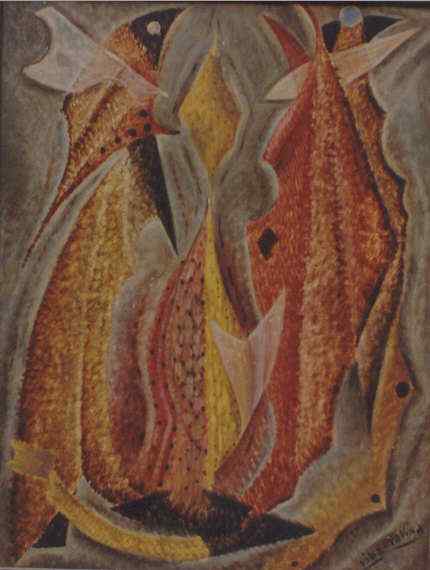
Riba Rovira Patteque
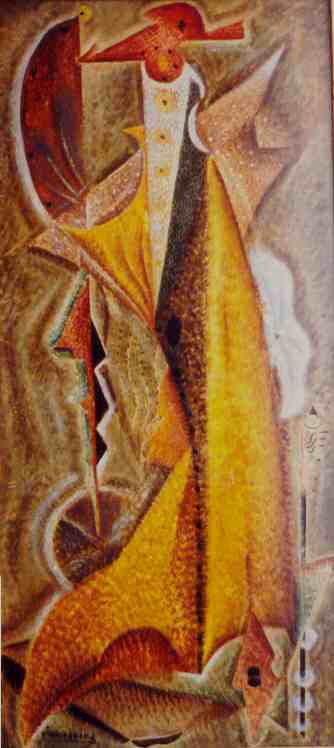
Riba Rovira Oppidum
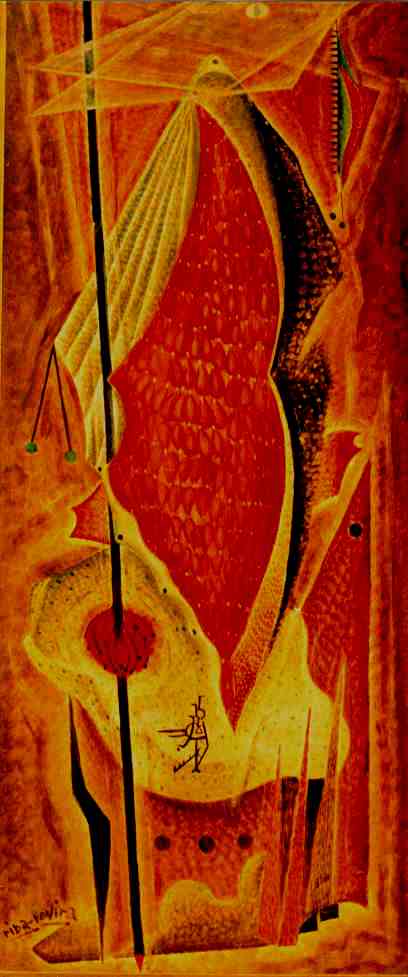
Riba Rovira Promethee.jpg

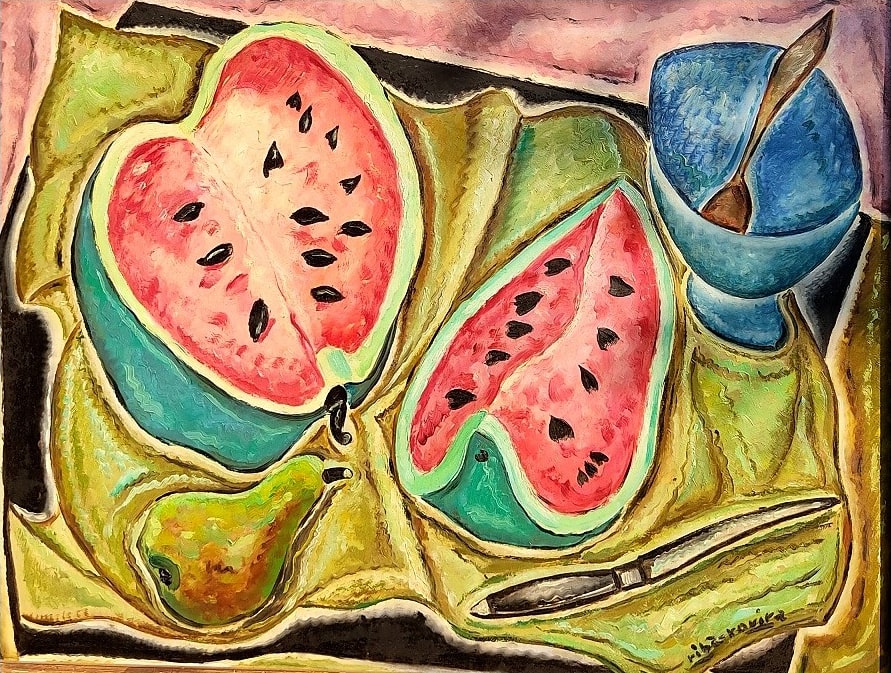
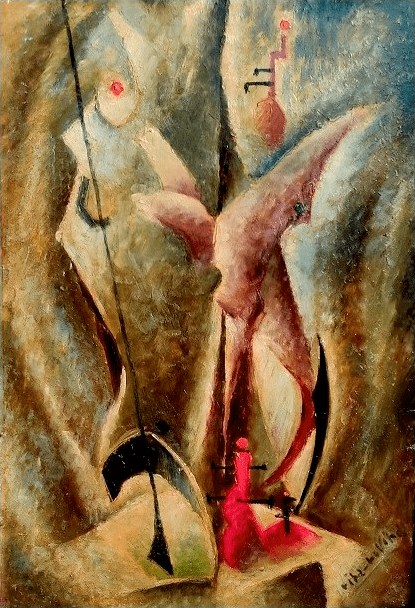
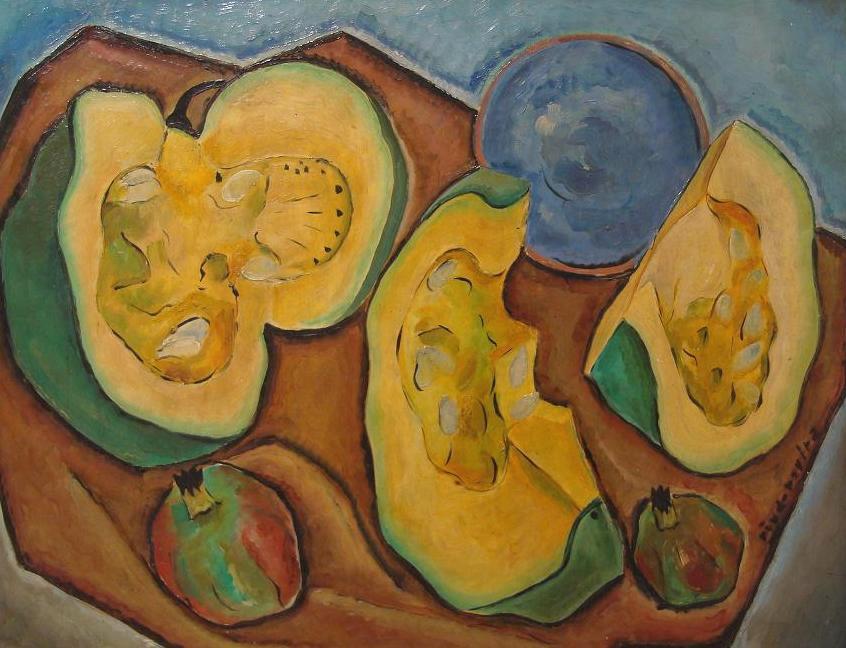
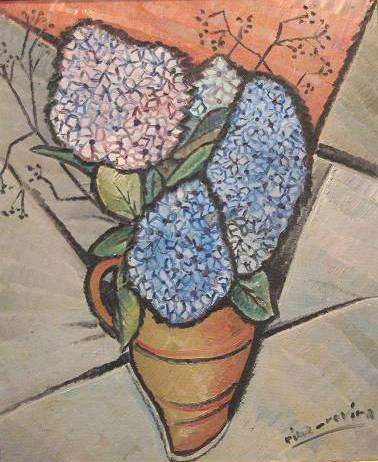
Trabajó para pagar sus estudios en la Escuela de Bellas Artes de Barcelona, ​​licenciándose en composición en 1936. Con los Gratacels participó en el I Salón de Indefensos, celebrado en Barcelona en 1936.

Comenzó a cosechar éxitos con su pintura un par de meses antes del inicio de la Guerra Civil Española. Debido a su lucha contra la rebelión liderada por Francisco Franco contra el gobierno establecido de la Segunda República Española, al final de la guerra tuvo que exiliarse a Francia, donde a su vez fue perseguido y encarcelado por la Gestapo durante la ocupación alemana.

Tras su huida, llegó a París, donde decidió instalarse para pintar, en 1944. Primero se instaló en el número 27 y luego en el 29 de la rue Guénégaud, cerca de Pont Neuf y de la rue de Seine, cerca de Saint Germain des Prés.

A Riba Rovira también le gustaba el jazz e ir al Bar Vert de París.

Conoce por casualidad a Gertrude Stein mientras paseaba con su perro «Canasta» por los muelles del Sena. Ella se entusiasmó con él y presentó su primera exposición de posguerra en la Galería Roquépine de París en 1945. A continuación, una traducción del prólogo de Stein a la exposición de Francisco Riba-Rovira en la Galería Roquépine en mayo de 1945:

Es inevitable que cuando realmente necesitamos a alguien, lo encontremos. La persona que necesitas te atrae como un imán. Regresé a París después de varios años en el campo y necesitaba un joven pintor, un joven pintor que me despertara. París era magnífico, pero ¿dónde estaba el joven pintor? Busqué por todas partes: a mis contemporáneos, a sus seguidores. Caminé mucho, busqué por todas partes, en todas las galerías, pero el joven pintor no estaba. Sí, camino mucho, mucho por las orillas del Sena, donde pescamos, pintamos, paseamos a nuestros perros (soy de los que pasean a sus perros). ¡No es solo un joven pintor! Un día, en la esquina de una calle, en una de esas callejuelas de mi barrio, vi a un hombre pintando. Lo miré, a él y a su cuadro, ya que siempre quiero que todos crean que tengo una curiosidad incansable por buscar, y me conmovió. ¡Sí, un joven pintor! Empezamos a hablar, porque hablamos con facilidad, con la misma facilidad que en los caminos rurales, en las callejuelas del barrio. Su historia fue la triste historia de la juventud de nuestro tiempo. Un joven español que estudió Bellas Artes en Barcelona, ​​la Guerra Civil, el exilio, un campo de concentración, la fuga, la Gestapo, otra prisión, otra fuga… ¡Ocho años perdidos! Si se han perdido, ¿quién sabe? Y ahora un poco de miseria, pero aún así, la pintura. ¿Por qué me parece que él era el joven pintor? ¿Por qué? Visité sus dibujos, sus pinturas y hablamos. Le expliqué que, para mí, toda la pintura moderna se basa en lo que Cézanne no logró hacer; cuando no podía hacer algo, lo rechazaba. Ha insistido en demostrar su incapacidad; ha expuesto su falta de éxito, y mostrar lo que no podía hacer resultó ser una obsesión. Los artistas influenciados por él estaban igualmente obsesionados con las cosas que no podían conseguir e iniciaron el sistema de camuflaje. Era natural e incluso inevitable hacerlo, y pronto se convirtió en arte: Matisse ha camuflado e insistido a la vez en lo que Cézanne no pudo hacer, y Picasso ha camuflado, jugado y atormentado todas estas cosas… El único que quiso insistir en el gran problema de Cézanne fue Juan Gris, pero era una tarea demasiado difícil para él y murió en ella. Y ahora, aquí encuentro a un joven pintor que no sigue la tendencia de jugar con lo que Cézanne no pudo hacer, sino que ataca directamente lo que había intentado hacer:

Crear objetos que existan por sí mismos y no en relación con otros. Por eso me fascina. Este joven tiene habilidad y fuerza. Su fuerza te impulsará en este camino. Me fascina y por eso es el joven pintor que necesitaba. Es Francisco Riba-Rovira.

Gertrude Stein À la recherche d’un jeune peintre (1945), de la revista Fontaine, Director Max-Pol, nº42, páginas 287-288.

Gertrude Stein también le presentó a Picasso y a su círculo de amigos. Debido a su relación, Riba-Rovira realizó un retrato de Gertrude Stein que aparece en el catálogo, con prólogo de Gertrude Stein, para la exposición de la Galería Roquepine de 1945.

He worked to pay for his studies at the Barcelona School of Fine Arts, graduating in composition in 1936. With Gratacels he participated in the I Salon de Indefensos, held in Barcelona in 1936.

He began to reap success with his painting a couple of months before the start of the Spanish Civil War. Due to his fight against the rebellion led by Francisco Franco against the established government of the Second Spanish Republic, at the end of the war he had to go into exile in France, where he in turn was persecuted and imprisoned by the Gestapo during the German occupation.

After his escape, he arrived in Paris, where he decided to settle down to paint in 1944. He first settled at number 27 and then at 29 rue Guénégaud, near Pont Neuf and rue de Seine, near Saint Germain des Prés.

Riba Rovira also liked jazz and going to the Bar Vert in Paris.

He met Gertrude Stein by chance while walking his dog «Canasta» along the banks of the Seine. She became enthusiastic about him and presented his first post-war exhibition at the Galerie Roquépine in Paris in 1945. What follows is a translation of Stein’s foreword to the Francisco Riba-Rovira exhibition at the Galerie Roquépine in May 1945:

It’s inevitable that when you truly need someone, you find them. The person you need draws you in like a magnet. I returned to Paris after several years in the countryside and I needed a young painter, a young painter who would awaken me. Paris was magnificent, but where was the young painter? I searched everywhere: among my contemporaries, among their followers. I walked a lot, searched everywhere, in all the galleries, but the young painter wasn’t there. Yes, I walk a lot, a lot along the banks of the Seine, where we fish, paint, walk our dogs (I am one of those who walk their dogs). It’s not just a young painter! One day, at the corner of a street, in one of those alleys in my neighborhood, I saw a man painting. I looked at him, at him and his painting, since I always want everyone to believe that I have an tireless curiosity for searching, and I was moved. Yes, a young painter! We started talking, because we talk with ease, with the same ease as on rural roads, in the alleys of the neighborhood. His story was the sad story of the youth of our time. A young Spaniard who studied Fine Arts in Barcelona, the Civil War, exile, a concentration camp, escape, the Gestapo, another prison, another escape… Eight years lost! If they have been lost, who knows? And now a little misery, but still, painting. Why does it seem to me that he was the young painter? Why? I visited his drawings, his paintings and we talked. I explained that, for me, all modern painting is based on what Cézanne failed to do; when he couldn’t do something, he rejected it. He has insisted on demonstrating his incapacity; he has exposed his lack of success, and showing what he couldn’t do turned out to be an obsession. The artists influenced by him were equally obsessed with the things they couldn’t achieve and started the system of camouflage. It was natural and even inevitable to do it, and it soon became art: Matisse has camouflaged and insisted at once on what Cézanne could not do, and Picasso has camouflaged, played and tormented all these things… The only one who wanted to insist on Cézanne’s great problem was Juan Gris, but it was too difficult a task for him and he died on it. And now, here I find a young painter who does not follow the trend of playing with what Cézanne could not do, but directly attacks what he had tried to do:

To create objects that exist by themselves and not in relation to others. That’s why he fascinates me. This young man has skill and strength. His strength will propel you on this path. He fascinates me and that is why he is the young painter I needed. He is Francisco Riba-Rovira.

Gertrude Stein À la recherche d’un jeune peintre (1945), from the magazine Fontaine, Director Max-Pol, nº42, pages 287-288.

Gertrude Stein also introduced him to Picasso and his circle of friends. Due to their relationship, Riba-Rovira created a portrait of Gertrude Stein that appears in the catalog, with a foreword by Gertrude Stein, for the 1945 Galerie Roquepine exhibition.